
Garage Door Locking Mechanisms: The Four Types and How Each Works
There are four garage door locking mechanisms in common use: the keyed T handle lock, the inside slide lock, the vault lock and the automatic deadbolt. All four do the same physical job. They drive a steel bar sideways out of the edge of the door and into a slot in the vertical track, so the roller on that side has nowhere to travel and the door cannot lift. What separates them is only what moves the bar: a key, your hand, or a motor wired to the opener. The distinction that matters most is the last one. Three of the four are manual, and a manual lock must never be left engaged while an automatic opener is still connected.
| Lock type | How it engages | Works with an automatic opener | Typical fitted cost |
|---|---|---|---|
| Keyed T handle | Key turns a handle on the outside, cables pull two latch bars into the tracks | No, not while the opener is connected | 150 to 300 dollars |
| Inside slide lock | Pushed across by hand from inside the garage | No, not while the opener is connected | 150 to 250 dollars |
| Vault lock | Key operates the opener emergency release from outside | Yes, it works with the opener rather than against it | Quoted per door |
| Automatic deadbolt | Motor throws a bolt into the track each time the door closes | Yes, the opener controls it | Quoted per door |
Types of Garage Door Locking Mechanisms
Keyed Handle Locks: Convenient Security for Your Garage Door
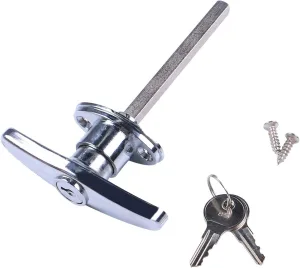
A keyed T handle is the lock most people picture when they picture a garage door lock. The handle sits in the centre of the bottom section on the outside of the door, and turning the key rotates it. Behind the door, two cables run from that handle out to the left and right edges, and turning the handle pulls both cables at once, which slides a spring loaded latch bar out of each edge and into a slot in the vertical track. Both bars have to throw evenly. If one cable is a little long, only one side catches, and the door starts to rack itself out of square every time it is lifted against the lock. Local Garage Doors offers a variety of keyed handle locks that are compatible with different garage door types and provide reliable protection against unauthorized access. Our expert technicians can assist you in selecting the right keyed handle lock for your specific needs and ensure its proper installation and functionality.
Vault Locks: Excellent Solution When No Other Access To Garage
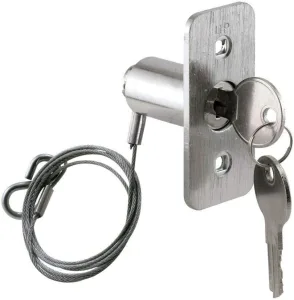
A vault lock earns its place on one specific garage: the one with no side door. If the only way in is the garage door and the power goes out, the opener will not lift and there is no way to reach the emergency release from outside. A vault lock mounts through the face of the door and lets you operate that release with a key from the driveway. It does a second job at the same time. It closes off the coat hanger trick, where someone feeds a hooked wire through the gap at the top of the door to catch the release cord and pull it, which is the most common way a closed garage door gets opened from outside. Designed to provide maximum protection, these locks attach to the emergency release cord of the garage door opener. In the event of a power outage or other emergencies, the vault lock allows you to open the garage door manually, ensuring you can still access your garage when needed. Local Garage Doors offers a range of vault locks that are specifically designed to enhance the security of your garage, providing you with peace of mind and convenience. Our expert technicians will install the vault lock with precision, ensuring it functions seamlessly with your garage door opener system. With a vault lock in place, you can rest assured knowing that your garage is fortified against unauthorized entry while still maintaining the ability to open the door manually when necessary.
Inside Slide Locks: Additional Security Measures
Inside slide locks are an effective and affordable way to enhance the security of your garage door. These locks are installed on the inside of the garage door and provide an additional layer of defense against forced entry. Inside slide locks are engaged and disengaged by hand, which makes them simple, and which is also the one thing to be careful about. The opener has no way of knowing the bar is across. The next time someone presses the remote, the motor pulls against a bolted door, and something gives: a stripped gear inside the opener head, a bent top section, or a cable that jumps the drum. We see this several times a year, and it is almost always someone who threw the slide lock before a holiday and forgot. If your garage door has an automatic opener, either pull the emergency release before you use a manual lock, or fit an automatic deadbolt instead, which is the only lock type the opener itself controls. Local Garage Doors offers a variety of inside slide locks that are compatible with different garage door types and sizes. Our technicians will assess your garage door and recommend the most suitable inside slide lock to reinforce its security.

Automatic Deadbolt Locks: Advanced Security Features
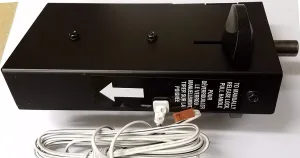
An automatic deadbolt is the only lock on this page that an automatic opener can work with rather than against. It is a powered accessory that mounts on the track, wires back to the opener, and throws a steel bolt across every time the door finishes closing. Press the remote and the bolt withdraws before the motor starts pulling. The best known example is LiftMaster’s 841LM, and the important detail is that it pairs with certain myQ enabled LiftMaster openers rather than with everything on the market, so the opener model has to be checked before the lock is ordered. Alignment matters as much as wiring. The bolt has to meet its slot in the track within a few millimetres, which is why this is the one lock on this page we would not suggest fitting yourself. Automatic deadbolt locks provide an additional layer of protection by securing the garage door at multiple points. Local Garage Doors specializes in installing and configuring automatic deadbolt locks, offering you a seamless and reliable solution to safeguard your garage. Our technicians will ensure that the automatic deadbolt lock is properly installed, calibrated, and synchronized with your garage door opener system.
Manual Garage Door Locking Mechanisms
Three of the four locks above are manual, meaning a person has to move the bar. The keyed T handle is manual and operated from outside. The inside slide lock is manual and operated from inside. The vault lock is manual and operates the release rather than the door. Only the automatic deadbolt is powered.
Manual locks suit three situations in particular. A detached garage with no opener fitted, where there is nothing to conflict with. A garage door that is left closed for long stretches, such as on a second property or over a long absence. And an older door whose opener has been disconnected and which is lifted by hand.
If the opener is connected and in daily use, a manual lock is a liability rather than a layer, for the reason set out under inside slide locks above. The safe combination is an automatic deadbolt that the opener controls, or a manual lock plus a disconnected opener, never a manual lock plus a live one.
Which Garage Door Lock Is Right for Your Garage
If your garage has a side door or an interior door into the house, and the opener is in daily use, you probably do not need a lock at all. A correctly adjusted opener holds the door closed on its own, and any opener made in the last twenty five years uses a rolling code that cannot be captured and replayed. Spend the money on a safety inspection instead, and have the springs and cables checked.
If your garage is the only way in and there is no side door, fit a vault lock. It is the only one of the four that solves the power cut problem rather than adding to it.
If the garage is detached, or the opener has been disconnected, or the door is lifted by hand, fit a keyed T handle. It is the strongest manual option and it works from outside, which matters when there is no interior access.
If you want a lock that stays on while the opener stays in use, an automatic deadbolt is the only answer. Check the opener model first, because compatibility is narrower than most people expect.
Having a Garage Door Lock Fitted
At Local Garage Doors, we are committed to providing you with the highest level of security and peace of mind. Our comprehensive range of garage door locking mechanisms includes keyed handle locks, vault locks, inside slide locks, and automatic deadbolt locks. When you choose Local Garage Doors, you can expect:
A lock fitting is a single visit, usually under two hours. The technician measures the stile width and the track clearance first, because not every lock fits every door: one piece tilt up doors and older wooden doors take a keyed T handle but cannot take an automatic deadbolt, since there is no vertical track for the bolt to enter. Full view aluminium and glass doors need the lock sited around the glazing.
A manual lock, keyed T handle or inside slide bar, runs 150 to 300 dollars fitted depending on the lock and the door. An automatic deadbolt is quoted per door, because the lock is a powered accessory and it has to be wired and paired to the opener. You get the figure before the work starts and it does not move once the technician is on site.
We are licensed in all three states we work in: California CSLB 1023930, Nevada 0087802, Arizona ROC 356696.
Book a Garage Door Lock Fitting
Tell us what is on the door now and whether the opener is still connected, and we will tell you which of the four locks fits before anyone comes out. Call 866-337-1631 or email info@localgaragedoors.com to book a fitting across California, Nevada and Arizona.
Frequently Asked Questions About Garage Door Locking Mechanisms
What are the different types of garage door locking mechanisms?
There are four in common use. A keyed T handle lock turns a handle on the outside of the door, which pulls cables that slide two spring loaded bars into the vertical tracks. An inside slide lock is a manual bar you push across by hand from inside the garage. A vault lock mounts on the outside and operates the opener emergency release with a key, so you can get in when the power is out and there is no side door. An automatic deadbolt is powered, wired to a compatible opener, and throws a bolt into the track every time the door closes.
How does a garage door lock work?
Almost every garage door lock works the same way mechanically. It drives a steel bar or bolt sideways out of the edge of the door and into a slot in the vertical track. Once that bar is in the track, the door physically cannot travel up, because the roller on that side has nowhere to go. What differs between lock types is only how the bar gets moved: a key, a hand, or a motor.
Can I use a manual garage door lock if I have an automatic opener?
Only if the opener is disconnected first, or if the lock is wired to the opener with an interlock. A manual slide lock leaves the opener with no way of knowing the door is bolted. The next press of the remote makes the motor pull against a locked door, and something has to give. We have replaced stripped opener gears, bent top sections and snapped cables caused by exactly this. If you want a lock that works alongside an opener, use an automatic deadbolt that the opener controls.
What is a vault lock for?
A vault lock earns its place on a garage that has no side door and no other way in. It mounts through the face of the door and lets you operate the opener emergency release from outside with a key, so a power cut does not leave you locked out. It also closes off the coat hanger trick, where someone fishes a hook through the top of the door to catch the release cord.
Do I need a lock at all if I have an automatic opener?
For most homes, no. A properly adjusted opener holds the door shut on its own, and modern openers use rolling code remotes that cannot be captured and replayed. A lock is worth adding when the garage stores something worth stealing, when the door is on a detached garage, when you leave the property for long stretches, or when the opener is old enough to still use a fixed code.
How much does it cost to install a garage door lock?
A manual lock, whether a keyed T handle or an inside slide bar, is usually 150 to 300 dollars fitted, depending on the lock and the door. An automatic deadbolt costs more because the lock itself is a powered accessory and it has to be wired and paired to the opener. We quote the exact figure before any work starts, and the price does not change once the technician is on site.
Can I install a garage door lock myself?
A basic inside slide lock is within reach of most people with a drill. A keyed T handle is harder than it looks, because the two cables have to be cut to length so both latch bars throw evenly, and a lock that only catches one side will twist the door over time. An automatic deadbolt should be left to a technician, since it is wired into the opener and has to be aligned to the track within a few millimetres or it will jam on the bolt.
Which garage door locks work with an automatic opener?
Only a powered automatic deadbolt that the opener itself controls. LiftMaster’s 841LM is the best known example, and it works with certain myQ enabled LiftMaster openers rather than with everything, so the opener model has to be checked first. Every other lock type on this page is manual, and a manual lock and an automatic opener must never be engaged at the same time.
How do I know if my garage door lock needs repair?
The usual signs are a key that needs forcing, a handle that turns without the bars moving, a slide bolt that no longer lines up with the slot in the track, or visible damage to the lock body. A bolt that has stopped lining up is often not a lock fault at all, it is the door sitting out of square on worn rollers or a bent track, and replacing the lock will not fix it.
Can you fit a lock to any garage door?
Nearly always. Sectional steel doors take all four lock types. One piece tilt up doors and older wooden doors usually take a keyed T handle but not an automatic deadbolt, because there is no vertical track for the bolt to enter. Full view aluminium and glass doors need the lock positioned around the glazing, so the technician will check the stile width before quoting.